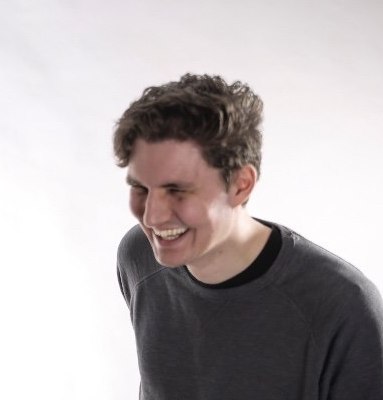
I'm an engineering manager with a strong background in data science and agentic engineering currently working at FINRA. I've shipped production systems for document understanding, multi-agent orchestration, and regulatory search — work that spans architecture, evaluation infrastructure, and getting things into production in a heavily regulated environment. I have a masters in Informatics from Penn State University where my research topics included include deep learning (DL) computer vision towards emotions recognition, the use of NLP to inform our predictions on in-the-wild emotion recognition tasks.
I love coding and I always tell people I think its one of the freest forms of expression since if you can dream it, you can program it. These days most of my building is in Python with Strands/ADK for agentic harnesses and DeepEval for testing and evaluation. For my DL projects I prefer using Pytorch, however I'm also proficient in Tensorflow/Keras. In addition to programming personal projects, I have quite a few hobbies. Lately I've been spending most of my free time writing music, exploring state parks, and playing DnD with my friends.
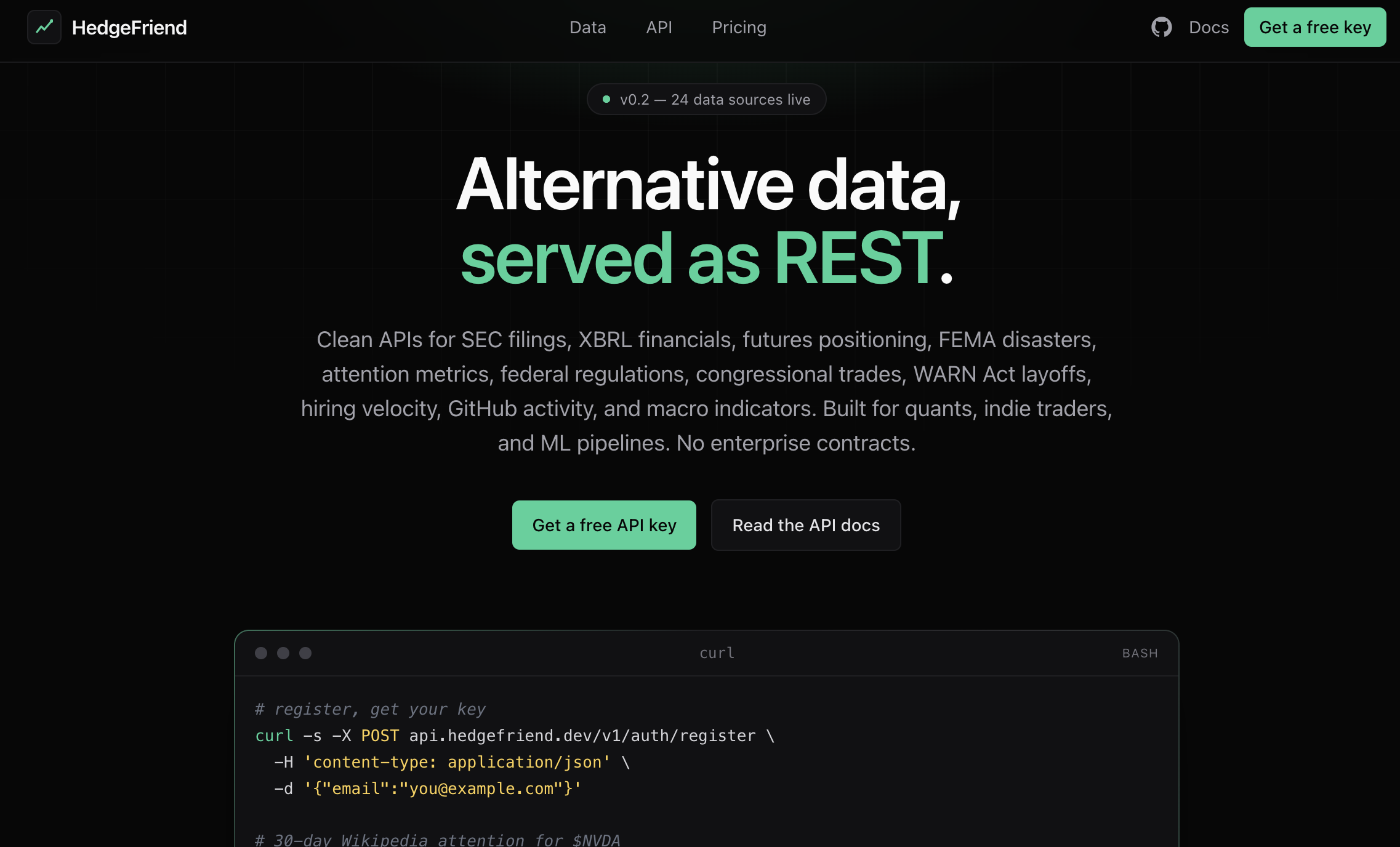
View ResumeA free alternative data API platform with ~30 data sources. Built with agentic use in mind, this leverages fastMCP, FastAPI, Postgres, and Redis, with ingestion jobs running on GitHub Actions.
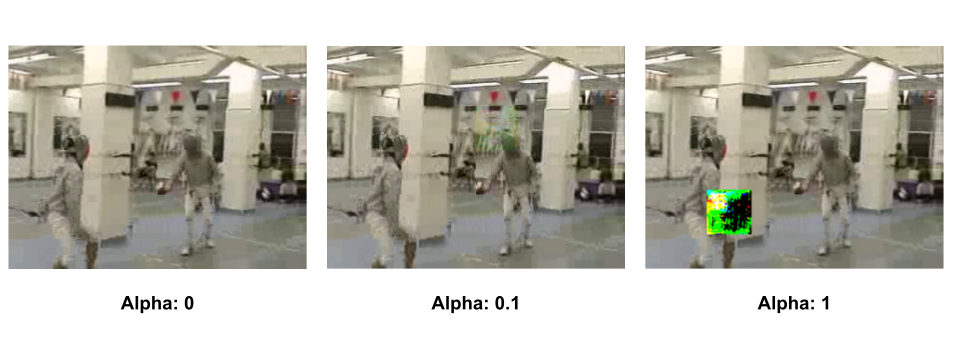
Adversarial patches have been of interest to researchers in recent years due to their easy implementation in real world attacks. In this paper I expand upon previous research by demonstrating a new hidden patch attack on optical flow. By altering the transparency during training I generate patches that are invariant to their background meaning they can be inconspicuously applied using a transparent film to any number of objects.
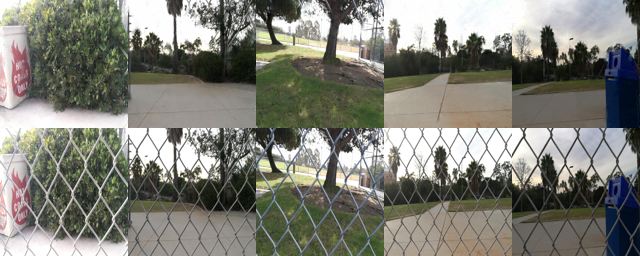
An end-to-end model for the simultaneous detection and inpainting of images obstructed by fences. This was achieved by overlaying raw images with existing fence masks and training to minimize SSIM, L2, and Adversarial loss. Despite training exclusively on synthetic data, this method was able to generalize to unseen, real world data and effectively inpaint ~90% of the test images.
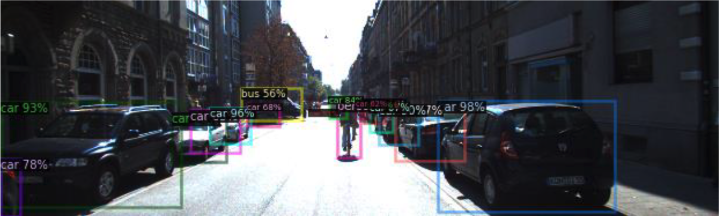
During my summer as an intern at Carnegie Mellon SEI, I prototyped an interface for autonomous drone controllers. This included training a DL bayesian object detector, modifying a DL depth estimator with MC dropout to give uncertainty estimates on distance, and finally object localization using the camera's intrinsic projection matrix and GPS coordinates to give users a birds eye view of detected objects in the field.
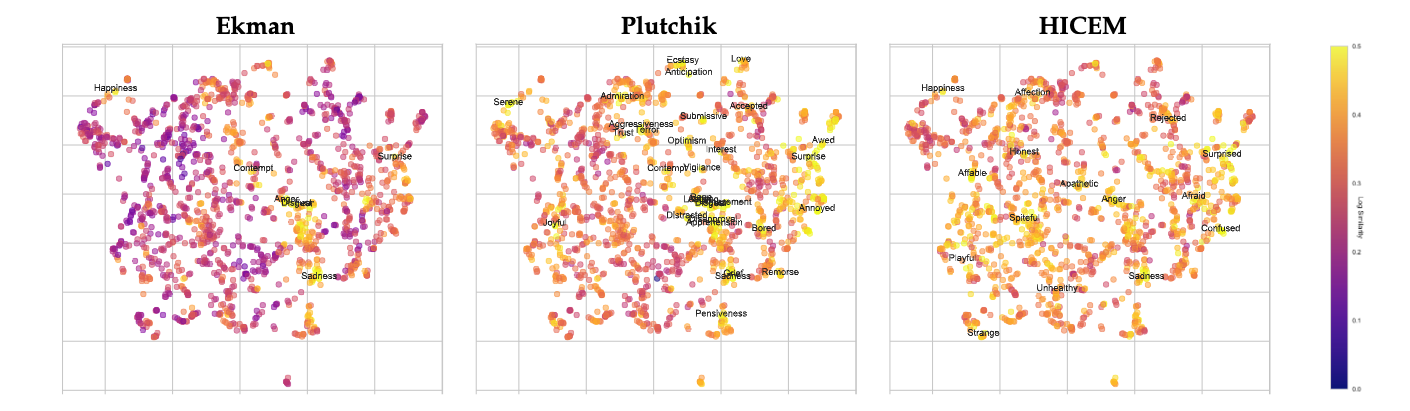
Through the use of NLP word embeddings from Facebook's FastText model, I was able to produce an updated emotion model which provides a 5% increase in performance using only 46% of the labels. When it comes to annotation, this increases the amount of information each label has while nearly cutting in half the costs for an equivalent dataset.
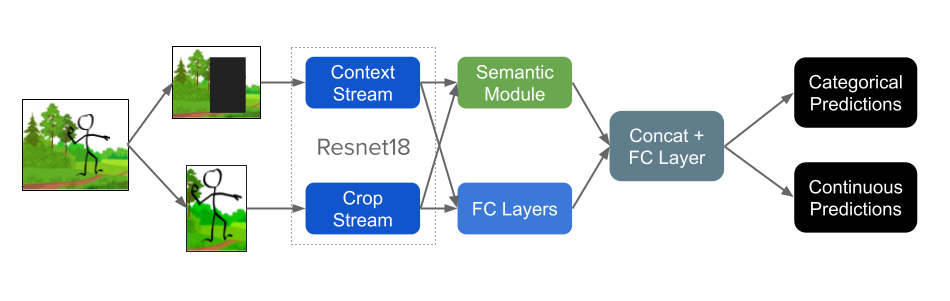
Since emotion labels are not completely independent, I am using semantic embeddings as targets to encode additional information into the model's training. In addition to this I have trained a complementary model using transfer learning from a pretrained Resnet to make predictions on LMA components which have been shown to be correlated with emotion. I have also crowdsourced an additional dataset annotated for human interaction to be processed in a separate channel.
While working as an intern at Impact Radius, I matching walled garden Ad impressions to customer conversion data in order to give customers insight into how their ad campaigns were performing. To do this, I created features from browser metadata and census demographic data local to the conversion IP before using a fuzzed decision tree algorithm for classifcation. In addition to this, I also developed a preprocessing step that identified 30% fraudulent TV promo code linked conversions. When filtered out using an SVM, these dramatically improved predictive performance and the explainability of the model (shapely values).
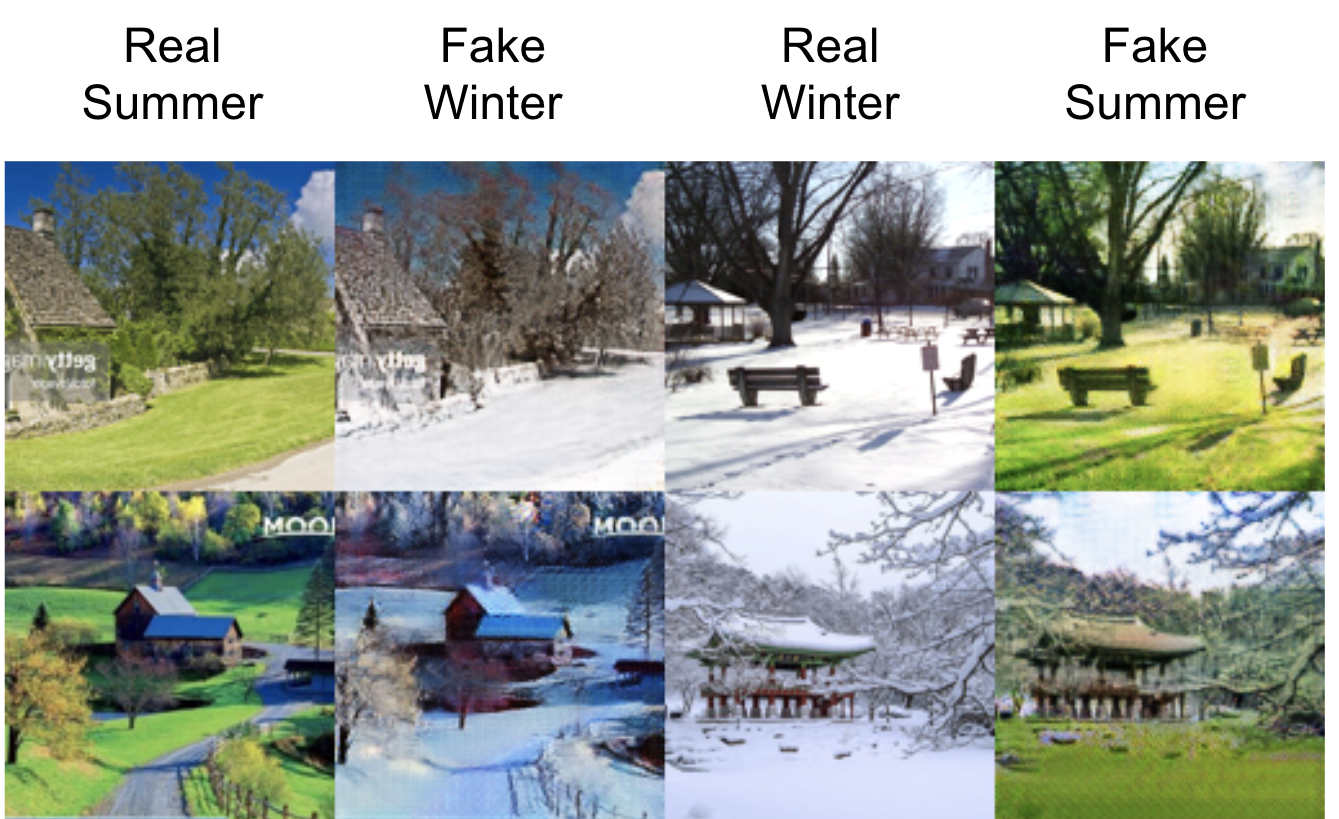
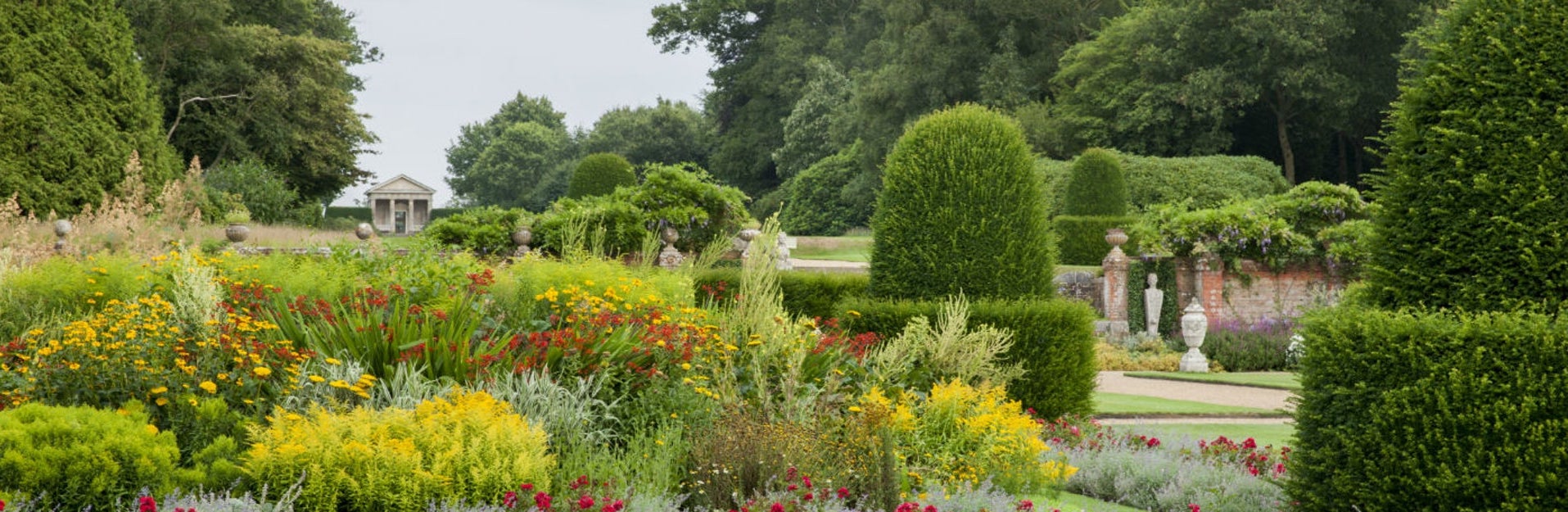
A webcrawler gathered ~10k images, then a GAN trained on them switches the season in a photo.
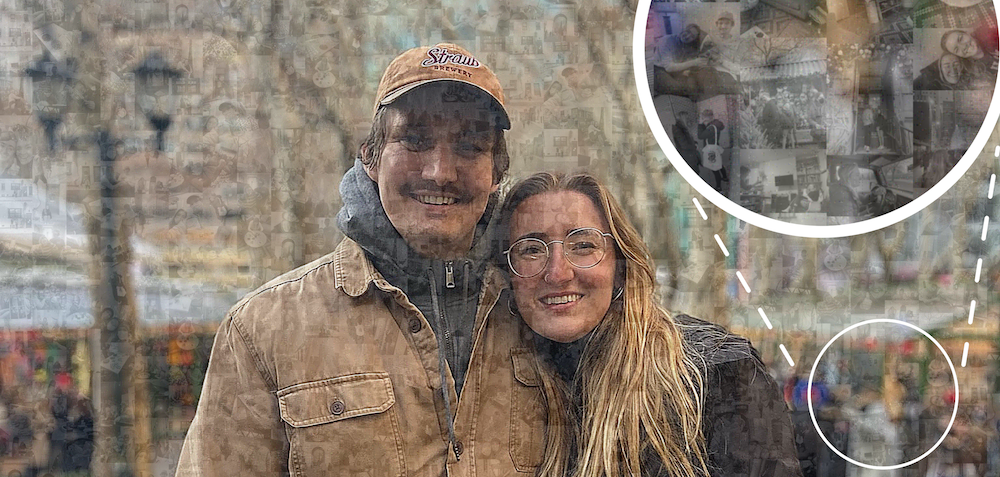
A simple collage builder application I wrote for my younger brother's Etsy page.
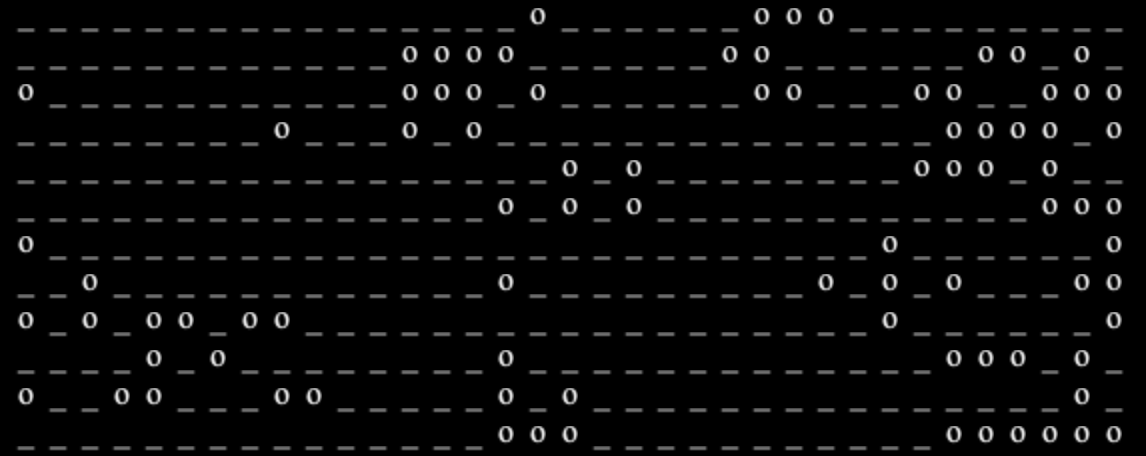
One of my first projects — an interface for Conway's Game of Life with tunable parameters so you can see how they change the simulation.
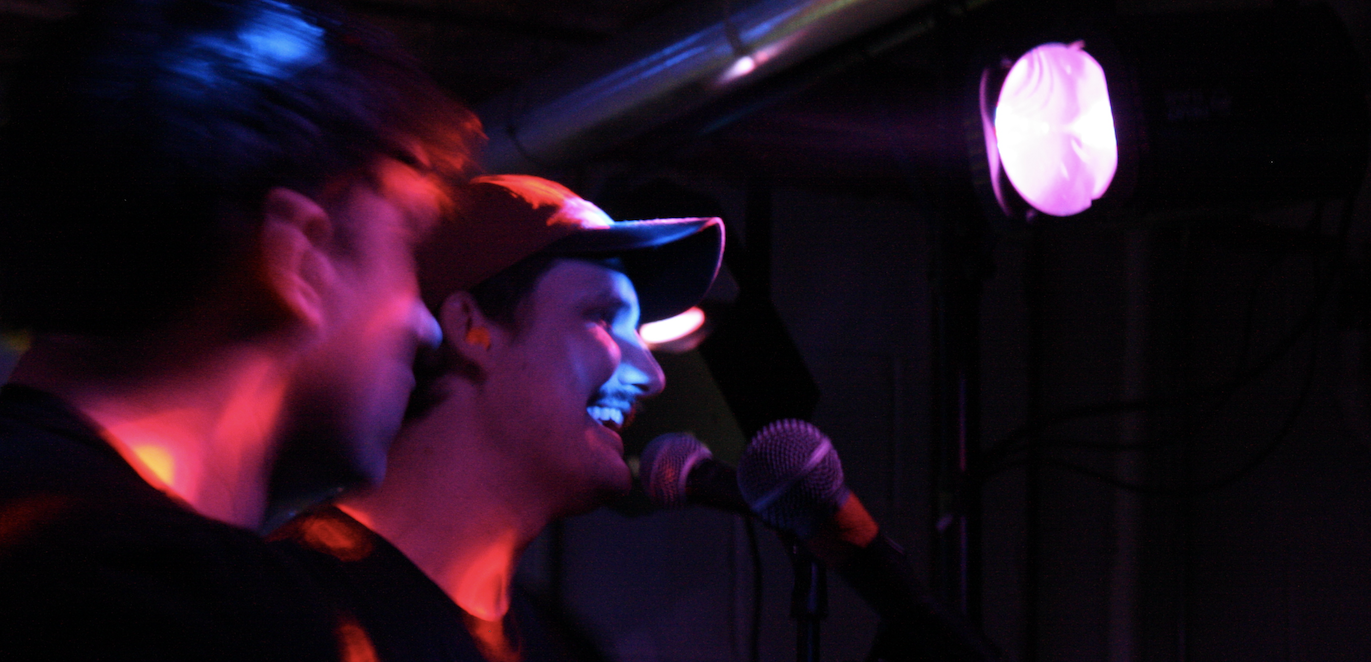
You can find me on stage at my local improv theater most Friday nights. If you're passing through State College, come say hi!
A chapter on how human emotion is represented computationally, and how those models inform artificial emotional intelligence systems. Published in Modeling Visual Aesthetics, Emotion, and Artistic Style.
Springer
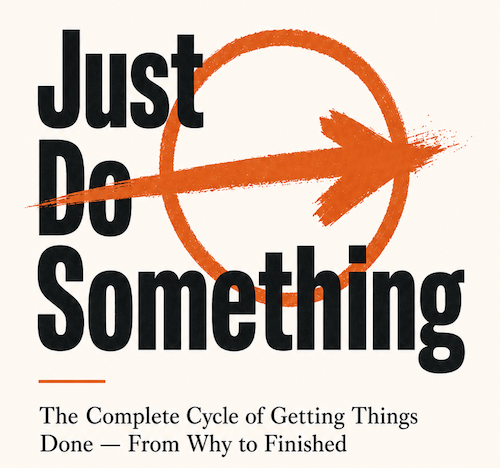
A book I wrote on the idea that action breeds more action. Taking any step, no matter how small, beats waiting for perfect conditions.
AmazonLet's get in touch!
Email